


Converting a nail license from Vietnam to the US is a hot topic, especially for those working in the nail industry and looking to work in America. This process can be complex and requires careful preparation.
1. Can a Vietnamese Nail License Be Transferred to the US?
Yes, a Vietnamese nail license can be transferred to the US, provided your training meets the specific hour and credential standards of your target state.
While each state sets its own licensing requirements through its Board of Cosmetology, a Vietnamese nail training program providing at least 650 training hours over 3 months typically satisfies the maximum hour thresholds across all 50 states.
Core Eligibility Criteria for Your Vietnamese Diploma
To qualify for evaluation by US state boards or credential evaluation agencies (such as WES or NACES members), your Vietnamese credentials must include:
-
Accredited Institution: The training center must be officially recognized by the Ministry of Industry and Trade or the Ministry of Labor, Invalids and Social Affairs (MOLISA).
-
Official Primary Diploma: A minimum Elementary Level I (Chứng chỉ Sơ cấp I) diploma issued under ministry guidelines, in addition to any internal school certificates.
-
Detailed Transcripts: An official breakdown of curriculum subjects and clock hours signed and sealed by the school's Director of Training.
-
Proof of Attendance: Formal confirmation of study dates, duration, and campus location with official institutional seals.
Key Takeaway: You cannot directly "trade" a Vietnamese license for a US license. Instead, your Vietnamese training hours are evaluated and credited toward your target state's educational requirements.

2. Key Benefits of Converting Your License
Transferring your qualifications legally transforms your career trajectory in the US beauty industry:
-
Access Higher-Paying Opportunities: Licensed technicians qualify for positions at high-end salons, luxury spas, and premium establishments equipped with modern pedicure spa chairs, increasing earn potential through higher service rates and tips.
-
Strict Legal Compliance: Working without a state license leads to severe legal penalties, heavy fines, and potential banishment from practicing cosmetology in the US.
-
Client Trust & Professional Authority: Displaying an official State Board license builds instant credibility, helping you retain high-value clients and pursue business ownership or salon management.
>>> Xem thêm: The most complete and necessary English terms for the Nail industry

3. US State-by-State Nail License Requirements
Requirements vary significantly depending on where you plan to live and work. Below is a comparison of training hour thresholds across major states:
| US State | Required Training Hours | Exam Languages Available | Practical Exam Required? |
| California | 400 Hours | English, Vietnamese, Spanish, Korean | No (Written Exam Only) |
| Texas | 600 Hours | English, Spanish, Vietnamese | Yes |
| South Carolina | 600 Hours | English | Yes |
| Florida | 180 Hours (HVAC/HIV course) | English, Spanish | No State Board Exam |
3.1 Converting a Nail License in California
California remains the top destination for Vietnamese technicians due to accessible licensing procedures:
-
Hour Requirement: Minimum 400 hours of accredited training.
-
Exam Format: 100 multiple-choice questions (Computer-based test). A passing score requires 75% or higher.
-
Language Option: You can choose to take the exam directly in Vietnamese.
Step-by-Step Application Process:
-
Document Evaluation: Have your transcripts and certificates translated by a certified service and evaluated if required.
-
Submit Application: Complete the application with the California Board of Barbering and Cosmetology (BarberCosmo) and pay the evaluation fees.
-
Pass the Written Exam: Schedule and pass the computer-based written examination.
-
Receive License: Once passed, your license is issued, allowing you to practice legally.
3.2 Converting a Nail License in South Carolina
South Carolina maintains stricter standards for international reciprocity:
-
Hour Requirement: Minimum 600 hours from an approved institution.
-
Exam Format: Requires both a Theoretical (Written) exam and a Hands-on Practical exam.
-
Language Option: Exams are conducted primarily in English.
Step-by-Step Application Process:
-
Prepare Transcripts: Obtain certified translations and notarized copies of your 600-hour transcript.
-
Board Review: Submit your application package to the South Carolina Board of Cosmetology.
-
Complete Exams: Register via PSI for both the written theory test and practical skills reassessment.
-
License Issuance: Obtain your license upon passing both sections.
>>> Xem thêm: 40+ communication sentences in the Nail industry that you must know
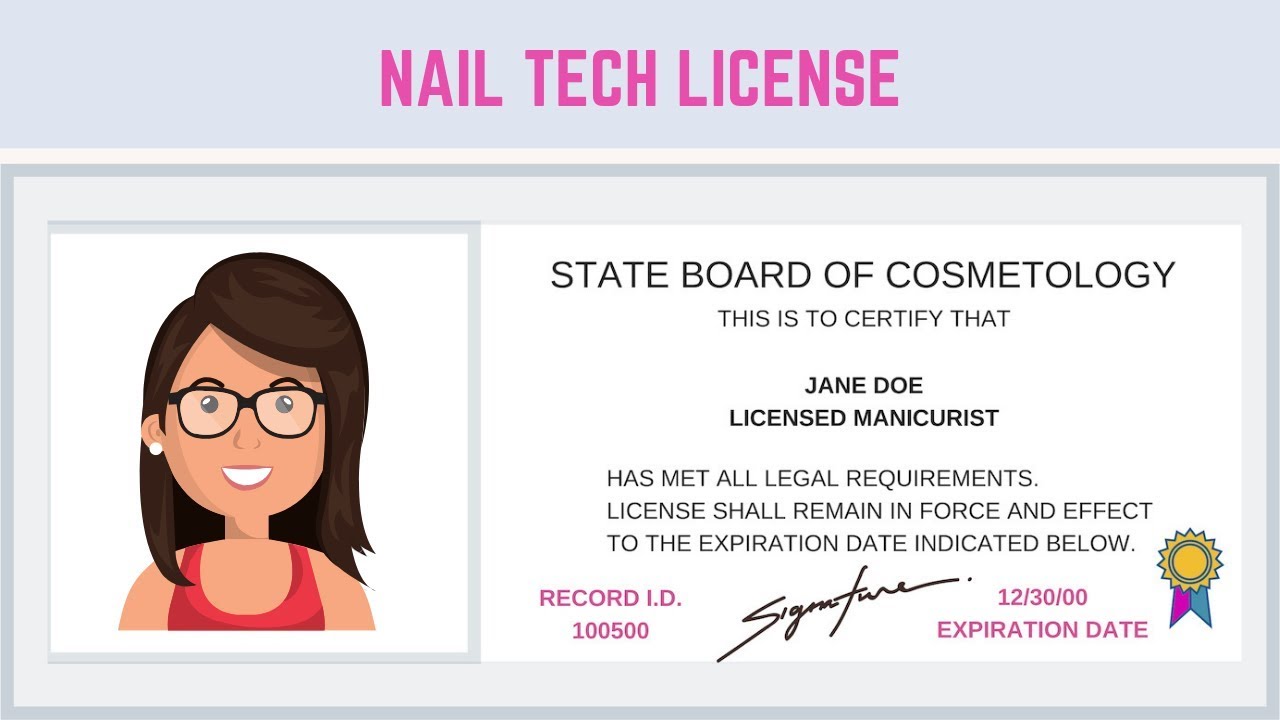
4. Checklist: Required Documents & Application Steps
To prevent delays or application rejections, compile your documentation methodically:
Document Preparation Checklist
-
[ ] Original & Copy of Diplomas: Elementary Level I certificate + vocational school diploma.
-
[ ] Official Transcripts: Hour-by-hour breakdown of theory and practical coursework.
-
[ ] Proof of Identity: Valid Passport, Green Card, or US Work Authorization.
-
[ ] Certified English Translations: All Vietnamese documents translated by a certified translator.
-
[ ] Notarized Affidavits: Official notarization confirming document authenticity.
[Vietnamese Training School] ➔ [Certified English Translation & Notarization] ➔ [State Board / NACES Evaluation] ➔ [State Board Exam] ➔ [US License Issued]
Warning: Submitting incomplete transcripts or using unverified translation services is the #1 reason state boards reject international applications. Always verify if your target state requires evaluation through a specific NACES-approved agency.
5. How to Prepare for the State Board Exams
5.1 The Theoretical Exam
The written exam assesses your foundational understanding of client safety, chemistry, and health regulations.
-
Key Topics: Infection control, sterilization, chemical safety (M/SDS), nail anatomy, skin disorders, and state laws.
-
Test Format: 100 multiple-choice questions (approx. 2 hours).
-
Study Tip: Practice mock tests focused on sanitation and chemical safety. Learn basic English terminology even if taking the test in Vietnamese, as product labels in salons are in English.
5.2 The Practical Exam
The practical section tests your physical dexterity, hygiene discipline, and technical execution.
-
Assessed Skills: Basic manicure, acrylic full-set application, tip application, nail repair, and pedicure sanitation procedures.
-
Sanitation Focus: Examiners strictly grade how you sanitize tools, set up blood-exposure kits, and prevent cross-contamination.
-
Preparation Tip: Practice full service setups on a mannequin hand using step-by-step timed drills to build muscle memory under exam conditions.
6. Elevating Your Career in the US Nail Industry
Securing your license is the first step toward building a lucrative salon career in America. Working in modern salons equipped with ergonomic, high-end equipment makes daily work easier and improves client satisfaction.
Whether you plan to work as a top technician or open your own salon business, investing in professional-grade furniture—such as acetone-resistant manicure tables and ergonomic pedicure chairs—ensures a luxury experience for your clients and long-term comfort for yourself.
Frequently Asked Questions (FAQ)
Can I convert my license online?
You can complete the application submission, fee payment, and document upload online through most State Board portals. However, you must attend the official exam center (such as PSI locations) in person.
What if my Vietnamese school didn't provide enough hours?
If your Vietnamese transcript falls short of your target state's minimum hours (e.g., you have 300 hours, but the state requires 600), you can enroll in a licensed US beauty school to complete the remaining "supplemental hours" before taking the exam.
How long does the license conversion process take?
The entire process generally takes 3 to 6 months, depending on document evaluation speed, board processing times, and exam scheduling availability.
Conclusion
Converting your nail tech license from Vietnam to the US requires careful preparation, accurate document translation, and dedicated study for State Board exams. By following this guide, verifying your target state’s specific hour rules, and preparing your application early, you can seamlessly transition into the thriving US beauty market.
Ready to launch or upgrade your US nail salon? Explore SNS Chairs for industry-leading pedicure chairs, technician stools, and modern salon furniture designed for performance and client comfort.


